Multi-location manufacturing plants reach a point where spreadsheets and manual logs can no longer keep up with the volume, movement, and complexity of physical assets. This article covers where asset control breaks down, what it costs operationally, and what a structured system needs to handle in an industrial environment.
Table of Contents
- Where asset control breaks down in manufacturing
- The operational impact of poor asset tracking
- What plant leaders actually need from an asset system
- Core capabilities for manufacturing asset management
- The financial visibility gap
Where asset control breaks down in manufacturing
A single-site plant with 50 machines can manage with shared logs and institutional knowledge. A plant with 200+ assets across multiple bays, departments, and locations cannot. The tracking system that worked at one scale actively creates problems at the next.
The breakdown happens in predictable places: equipment moves between bays or sites without a custody record, sub-components get separated from their parent machines, consumables and tooling are issued without being logged, and maintenance history stays with the person rather than the asset. None of these are visible problems until something goes wrong.
Complex equipment with sub-components
A CNC machine, press, or assembly unit is not a single asset. It has spindles, tooling heads, coolant systems, attachments, and replaceable components. When a sub-component fails, the maintenance team needs its specification, warranty status, and service history immediately. Without a parent-child structure linking these components, that information does not exist in any usable form.
Tooling and consumables with no tracking layer
Drill bits, dies, safety gear, lubricants, cutting fluids, and packaging materials move constantly and are rarely tracked with the same discipline as capital equipment. The result is over-ordering at one site while another runs short, with no way to identify the gap until it becomes an operational problem. For bulk materials tracked by weight or volume — chemicals, raw material inputs — the problem compounds further because unit-count tracking does not apply.
Equipment movement between sites with no record
In automotive and discrete manufacturing, machinery and tooling move between bays, project lines, and plant locations regularly. Without a digitized transfer log, accountability ends the moment the asset leaves one location. Procurement then raises orders for equipment that already exists elsewhere in the network.
The operational impact of poor asset tracking
Industry benchmarks place annual asset value loss in manufacturing at 5–8% of total asset base — driven by ghost assets, redundant procurement, and untracked shrinkage. For a ₹50 Cr asset base, that is ₹2.5–4 Cr per year in avoidable losses.
Three operational problems drive most of this loss:
Redundant procurement
When asset location or status is unknown, the default is a new purchase order or rental. Equipment that already exists in the network gets replaced rather than relocated.
Unplanned downtime from missed maintenance
Assets that fall out of the tracking system do not get serviced on schedule. The first sign of the problem is an equipment failure, not a missed maintenance alert.
Shrinkage in high-turnover items
Consumables and tooling disappear without a record. The volume is small per incident, but across shifts, departments, and locations the cumulative loss is material.
What plant leaders actually need from an asset system
Different roles in a manufacturing organization have different requirements from an asset management platform. A useful system needs to serve all of them from a single data source.
Plant operations
Real-time location and status of every asset across bays, zones, and sites. One answer to where a machine is — not a floor walk or a phone call.
Maintenance teams
Full service history, fault log, and warranty coverage attached to the asset. Fault raised, technician dispatched, repair completed, closure logged — permanently.
Stores and inventory
Consumable tracking per employee and per zone. Measurable assets tracked by weight or volume. What was issued, to whom, and what remains.
Finance and CFO
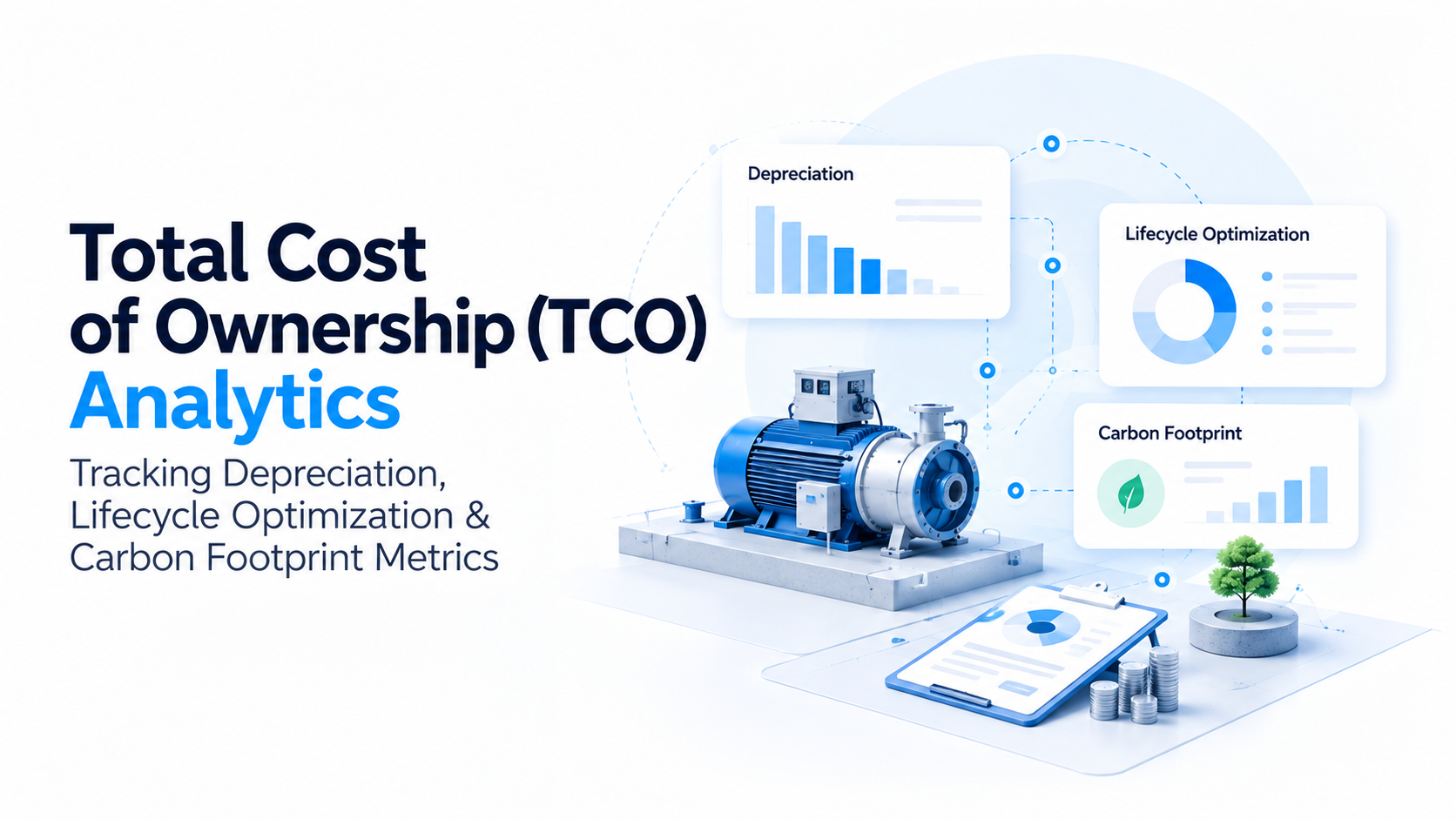
Real-time net book value, depreciation tracking, and lease cost accumulation. Audit-ready reports without manual compilation.
Core capabilities for manufacturing asset management
An asset management platform built for industrial environments needs to handle complexity that general-purpose tools are not designed for. These are the specific capabilities that matter in a manufacturing context.
Parent-child asset mapping
Link sub-components, attachments, and spare parts to their parent machine. When a failure occurs anywhere in the hierarchy, the full context — specification, service history, warranty status — is immediately accessible.
Zone-level tracking
Track assets down to the bay, cleanroom, or assembly line — not just the plant location. This level of precision matters when the same facility has multiple production zones operating independently.
Consumable and measurable asset tracking
Track high-turnover tooling per employee and per zone. Manage bulk materials by liters, kilograms, or meters — not just unit counts. Both types of inventory require a different tracking logic than capital equipment.
Transfer history and custody records
Every inter-site or inter-department movement creates a permanent custody record automatically. Clear accountability at every point in the transfer chain means ghost assets stop accumulating.
Issue lifecycle management
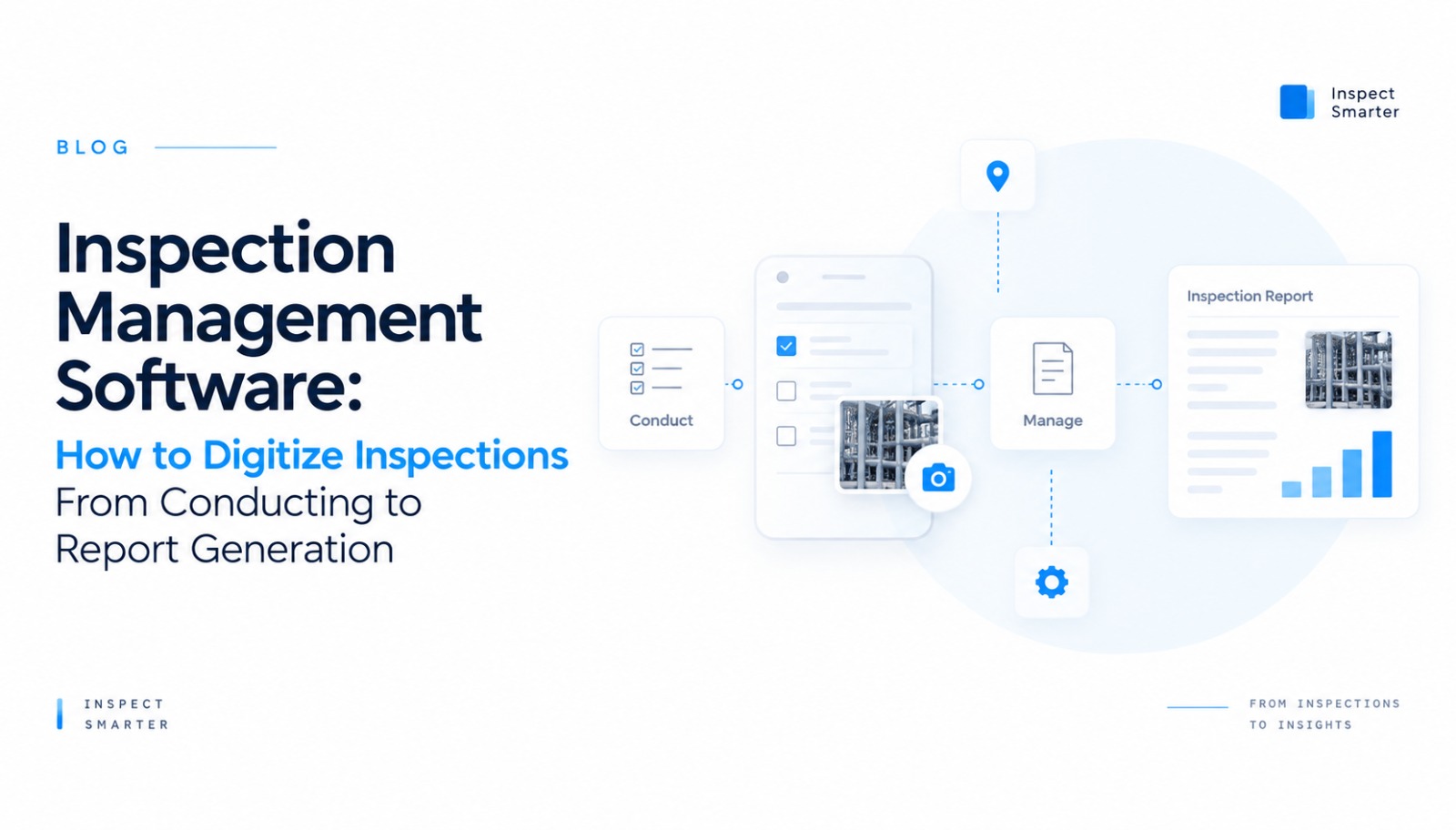
From fault logged by the operator to repair closure — every step recorded against the asset tag. The lifetime service record stays with the machine, not with the technician who last worked on it.
Role-based access control
Field operators, maintenance teams, plant managers, and finance each see what they need. Data visibility and action permissions are set by role across the entire platform.
The financial visibility gap
Asset management in manufacturing is not only an operations problem. Finance and leadership are making Capex decisions based on balance-sheet figures that may not reflect what is actually on the floor.
A structured asset management system gives the finance function real-time net book value calculated against purchase cost, depreciation method, and cumulative maintenance spend. For leased machinery, rental cost accumulation tracks what each piece of rented equipment has actually cost over its lease period. Warranty coverage tracking ensures repair costs are not paid out-of-pocket for items still under active contract.
Export-ready reports for audits, insurance assessments, and board-level Capex reviews become a standard output of daily operations — not a manual exercise at quarter-end.
Summary
Manufacturing plants operating across multiple sites, departments, and project lines need more than a tracked list of capital equipment. They need a system that handles sub-component hierarchies, consumable and measurable inventory, inter-site transfer accountability, maintenance lifecycle records, and real-time financial valuation — all from a single platform.
Spreadsheets and basic inventory tools do not have the structural depth to manage this. The cost shows up in redundant procurement, unplanned downtime, and shrinkage that never gets attributed to a cause.
Spectent Asset is built for asset-heavy manufacturing environments — from a single plant to a multi-location production network.