Why Asset-Centric CMMS is Replacing Work-Order Management in 2026
For years, maintenance teams relied on Computerized Maintenance Management Systems (CMMS) that functioned primarily as digital ticketing systems. When a machine broke down, a work order was generated, and a technician was dispatched to fix it. While this reactive approach managed day-to-day tasks, it fell short of providing strategic insight. In 2026, managing enterprise operations through the narrow lens of work orders is no longer enough to stay competitive. Businesses are realizing they need complete visibility into the asset itself, not just the isolated repairs happening to it.
The fundamental problem with work-order-first systems is that they treat assets as passive recipients of maintenance rather than dynamic investments. When a system is built entirely around tasks, critical operational and financial data becomes siloed. You might easily track how many work orders were completed in a given month, but you remain blind to the broader context of the equipment's health. This fragmented approach makes it incredibly difficult to understand the total cost of ownership or accurately predict when equipment will reach the end of its useful lifecycle.
Operating without this holistic view forces organizations into a constant, stressful state of break-fix maintenance. Without built-in financial and operational tracking, maintenance managers are left guessing at asset value, depreciation rates, and true utilization. This lack of intelligence directly impacts the bottom line, leading to poor capital allocation and unexpected operational downtime. To stop the chaos and reduce operational costs, a fundamental shift in how we track and manage physical infrastructure is urgently required.
The industry is now rapidly moving toward an asset-centric approach, focusing on the entire lifecycle of the equipment from procurement to retirement. This modernized strategy allows organizations to transition from reactive fixes to proactive, data-driven maintenance plans. By centralizing all data around the asset itself, businesses can instantly see its full history, current health, and financial standing. This level of structural clarity is exactly what modern enterprises need to make informed, strategic decisions regarding their operations.
This is precisely where Spectent Asset steps in to redefine enterprise asset management. Built to eliminate the guesswork, Spectent provides one unified platform to track, manage, and control every asset across multiple locations and projects. It replaces disconnected spreadsheets and legacy ticketing systems with a powerful, centralized hub. By giving enterprises complete structural clarity, Spectent Asset transforms fragmented maintenance data into true operational intelligence.
Stop Guessing. Start Managing Your Assets.
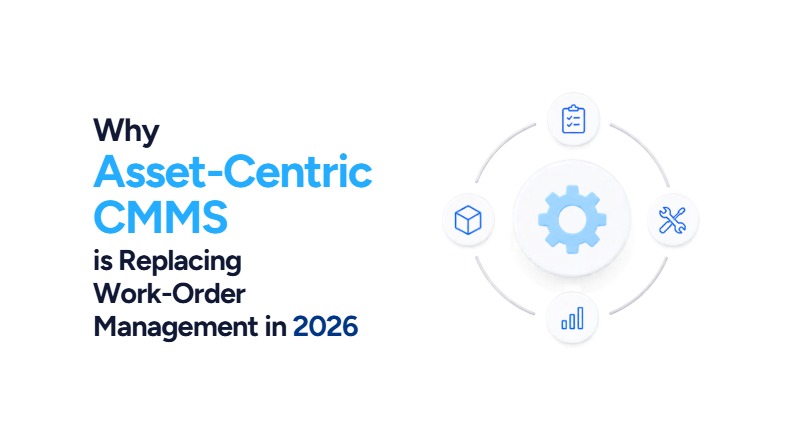
Spectent Asset is built to track, manage, and control every asset while ensuring complete lifecycle visibility. It elevates your operations through four core pillars:
- Complete Asset Visibility: Track every asset across locations, departments, and projects with complete structural clarity.
- Lifecycle & Operational Control: Control the entire asset lifecycle—from creation and allocation to movement, maintenance, and status tracking.
- Financial & Utilization Intelligence: Understand the real value, cost, and utilization of your assets with built-in financial and operational tracking.
- Accountability & Audit Readiness: Ensure complete accountability with full history tracking, ownership mapping, and audit-ready records.
In 2026, organizations can no longer afford blind spots or fragmented accountability in their maintenance operations. Shifting to an asset-centric framework ensures that every decision is backed by accurate, real-time data. Stop guessing and start managing your assets with the precision that today's competitive landscape demands.